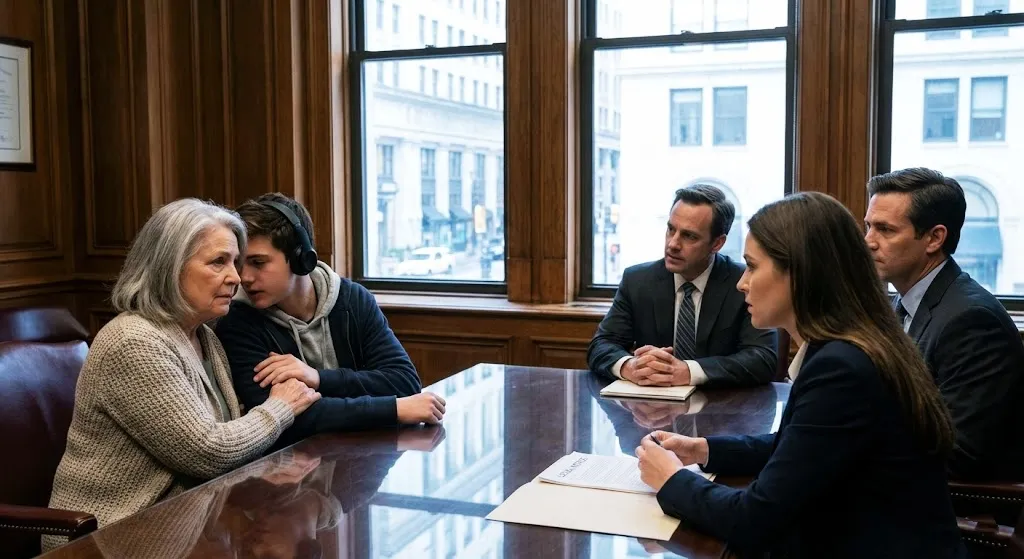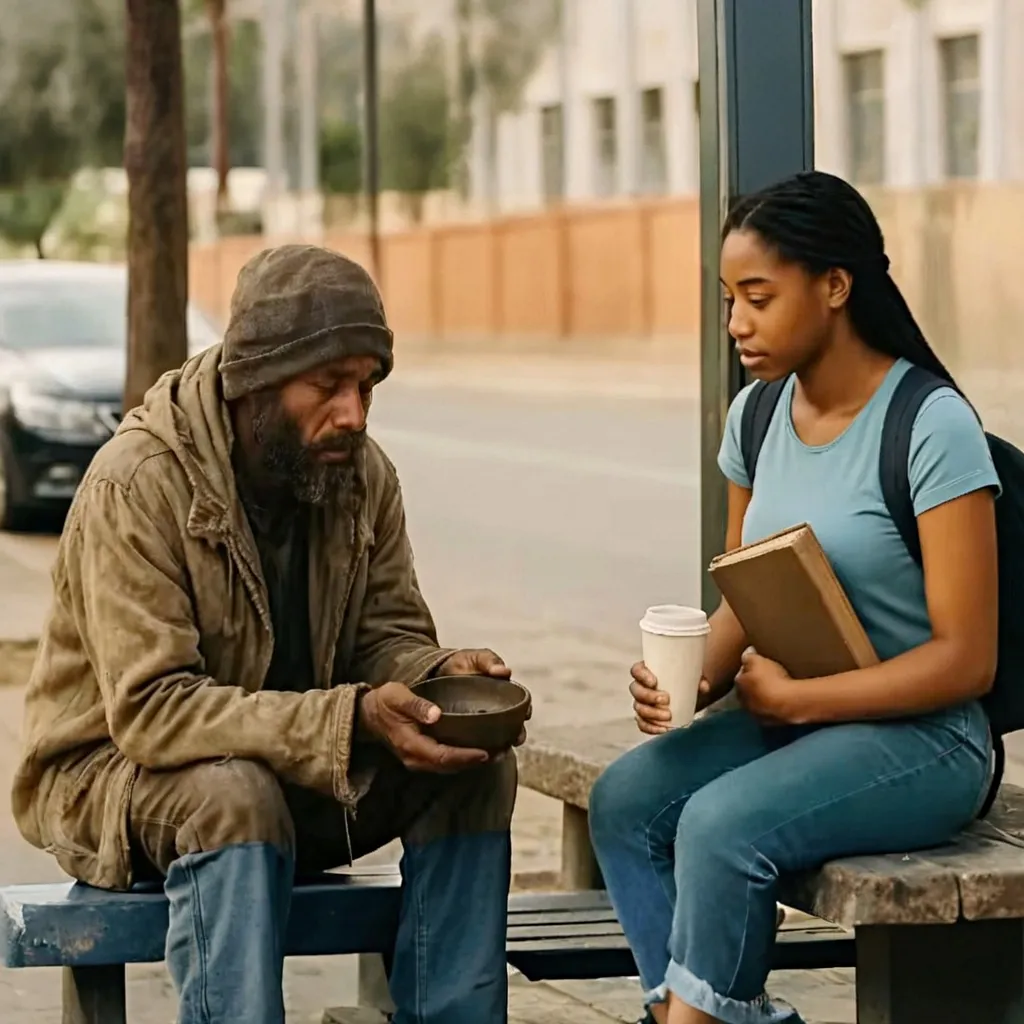
By late autumn, the air in Brookhaven carried that faint metallic chill that warned of the coming frost. The gardens around the mansion had begun to turn gold and red, and every step across the courtyard made the leaves crackle like faint laughter beneath the children’s boots. The Rossini mansion, once a place of shadows and silence, now gleamed softly under the slanted light of shorter days.
The fountain still ran, though its edges had begun to ice over at dawn, and smoke curled gently from the chimneys each morning as warmth filled the house within. What had once been a mausoleum of regret was now a living refuge. The Casa de Luz home was fully alive.
Lydia stood in the main hall, watching as volunteers carried in boxes of donated coats and blankets. The floor, once cold marble streaked with cracks, was now covered with new rugs sewn by a local craftsman. The walls were hung with drawings, crayon suns, watercolor rainbows, portraits of smiling faces.
The children had claimed every corner of the mansion with their joy. Even the quietest of them, who had arrived months ago clutching nothing but a stuffed bear, now laughed freely when she ran down the stairs. The house had become what Rossini dreamed of, a place where the lost could find not just shelter, but belonging.
The city had changed its tone as well. What began as a curiosity had become a point of civic pride. The mayor himself had attended the summer opening ceremony standing awkwardly in front of the cameras and declaring the Casa de Luz a triumph of compassion over legacy.
Since then, support had trickled in from unexpected places, businesses, schools, even a few of Rossini’s old rivals who had long since outlived their grudges. Some gave quietly, through anonymous donations. Others sent food or toys with handwritten notes.
The story of the widow who redeemed the mansion of a mafia boss had become a symbol of something larger, something that transcended scandal and superstition. But Lydia didn’t see herself as a symbol. Her days were filled with practicalities, organizing schedules, teaching lessons, fixing leaks, soothing fears.
The children were her world now, and she moved among them like a steady heartbeat, patient and unyielding. Every night, when the halls quieted and the last lamp was dimmed, she still found time to sit by the fire with Rossini’s notebook on her lap. Its pages had grown fragile with handling, but she read them anyway, as though afraid the words might vanish if she didn’t keep them alive.
She no longer read to learn. She read to remember. One passage had always stayed with her.
A man cannot undo what he has built in darkness, but he can leave a light behind for those brave enough to carry it. Lydia had carried that light without realizing it, and now, as she looked around her at the world she had helped restore, she wondered whether Rossini’s spirit could finally rest. There were still challenges, of course.
The trust, though partially restored, was limited, and the mansion required constant upkeep. Bureaucracy remained an obstacle, and there were whispers of new inspections, new conditions. But she faced these things differently now, not with fear, but with quiet resolve.
She had learned that goodness was not a single act, but a continuous labor, something one tended daily like a fragile flame. One evening, as the sun sank behind the trees, she received a letter from Howard Caldwell. The envelope bore his careful handwriting, and inside was a single page.
Dear Mrs. Moore, it began, I thought you should know that the State has completed its review. The remaining portion of the Rossini Trust is to be released in full. You have complete discretion as its executor.
I suspect you’ll know what to do better than any of us ever could. For a long moment, she simply stared at the words. Then she set the letter down and closed her eyes.
The fire crackled softly beside her, casting long, golden shadows across the room. The weight of everything she had endured, every humiliation, every threat, every sleepless night, seemed to fall away in that instant. It wasn’t triumph she felt, but peace.
The story was closing, not with spectacle, but with grace. The next morning, she gathered the children in the great hall. The air smelled faintly of cinnamon from the breakfast still lingering in the kitchen.
Jonah and May sat near the front, their eyes bright with expectation. Lydia held the letter in her hand and read it aloud. When she finished, silence hung in the air for a heartbeat before applause erupted, small hands clapping, voices cheering, laughter echoing through the vaulted ceiling.
It means we can help more children, Lydia said, smiling through tears. It means this house will never be empty again. That afternoon, she walked through the garden alone.
The leaves had begun to fall in earnest, gathering in golden drifts along the pathways. She paused by the fountain, where the water still shimmered despite the chill, and thought of the journey that had brought her here, from the worn apartment where she’d read that small ad to the day she first stepped through the ivy-covered gates. The world she’d known then was narrow, filled with sorrow and survival.
This place had not just changed her circumstances, it had given her back her capacity to believe in grace. As she circled the courtyard, she found herself at the spot where the old Rossini crest was carved into the stone arch. She brushed her fingers over it and whispered, You kept your promise.
The wind answered softly, carrying the faint scent of earth and autumn. For a moment, she thought she heard music, faint, distant, like the echo of a piano being played far away. It might have been memory or something more…