That’s precisely why, Jake theorized. You’re the wild card in this, the unexpected factor that brought everything to light after 40 years. I think he wants to size you up.
After discussion, they agreed to the meeting, with conditions. It would take place on neutral ground, a conference room at Eliza’s law office, with Jake Miller present as an observer, and all evidence would remain securely elsewhere. The meeting was set for the following afternoon.
Iris would stay with Ms. Delaney again, safely away from the confrontation. Morning dawned cold and clear. Margaret was equally tense, pacing her small living room as they waited for Frank to pick them up.
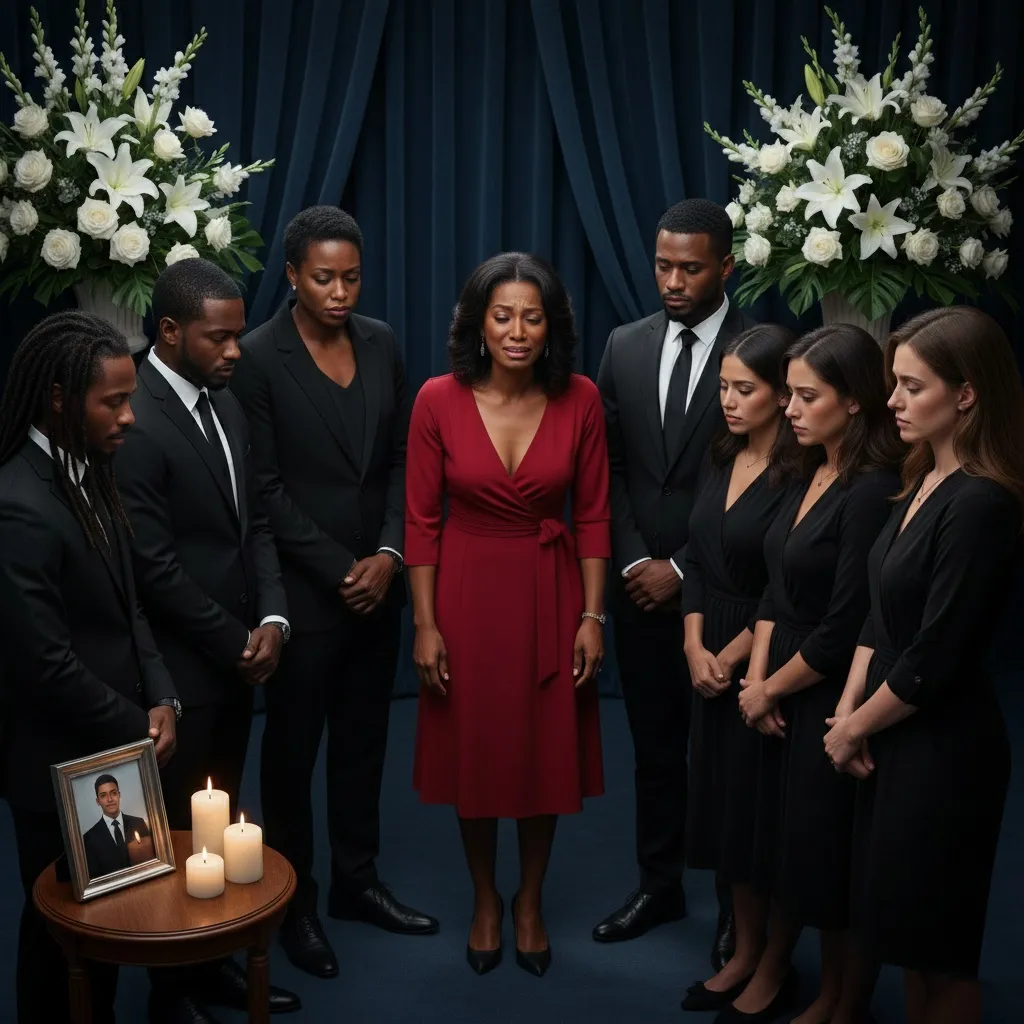
I haven’t seen him since I was a child, she confessed. He came to Dad’s funeral, stood right beside my mother and me at the cemetery, his hand on my shoulder, telling everyone what a tragedy it was, what a great man my father had been. I remember looking up at his face and knowing, just knowing, that he was lying.
That he had something to do with Dad’s death. But I was 13, and who listens to a grieving child’s intuition? Taylor reached out, taking Margaret’s trembling hand in hers. They’ll listen now, she promised quietly.
We’ll make them listen. Frank arrived to drive them to Eliza’s office. The journey was mostly silent, each lost in their own thoughts and apprehensions.
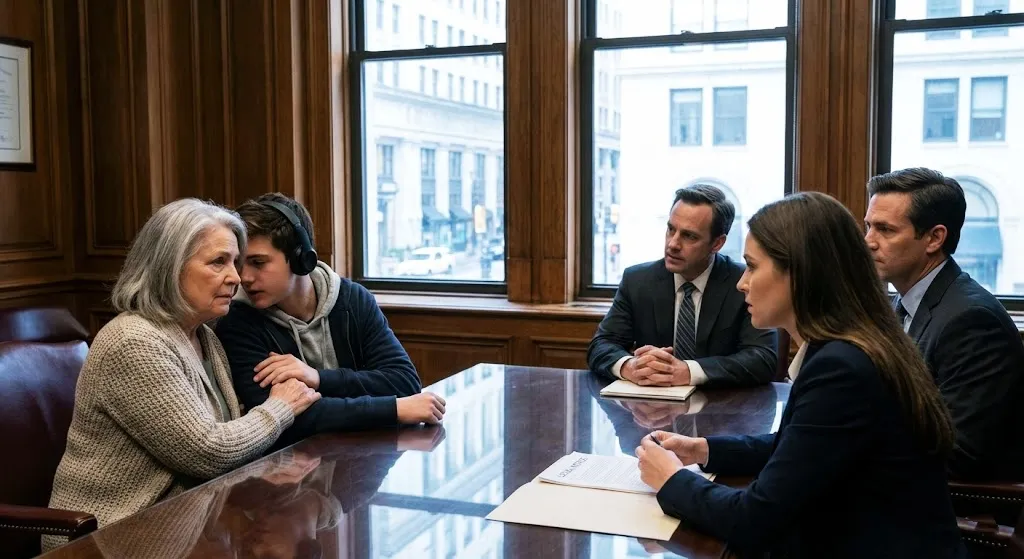
At the office, Jake Miller was already waiting, notebook in hand but keeping a respectful distance, an observer, not a participant. Eliza greeted them in the lobby, her professional demeanor firmly in place. Pritchett is already here, she informed them.
With his lawyer, Arnold Weintraub, and a younger man he introduced as his grandson, David Pritchett. A show of family solidarity, Frank muttered. Be prepared, Eliza warned.
He’s likely to try to humanize himself, to make emotional appeals. Don’t let him control the narrative. She opened the door, and they entered.
Dale Pritchett sat at the far end of the conference table, a tall, thin man with a shock of white hair and piercing blue eyes that betrayed no hint of frailty despite his 79 years. Beside him sat a distinguished-looking man in an expensive suit, Weintraub, presumably, and a younger man in his late twenties. Wearing a similar suit but looking distinctly uncomfortable, Pritchett stood as they entered.
His movements deliberate but steady. Miss Brennan Hoskins, he said, his voice stronger. You look very much like your father.
Margaret stiffened but said nothing as they took their seats across the table. Pritchett’s gaze moved to each of them in turn, finally settling on Taylor. And you must be Miss Hartley, he said, studying her with uncomfortable intensity, the woman who found Adelaide’s materials.
Taylor met his gaze directly. I am. A fortunate discovery for you.
One might almost call it convenient. Eliza intervened. Mr. Pritchett, you requested this meeting.
What exactly do you wish to discuss? I’m here to put an end to this unnecessary spectacle before it harms any more lives. Unnecessary spectacle? Margaret repeated. Six men died.
One of them was my father. Accidents happen in industrial settings, Pritchett replied. Tragic, yes, but not criminal.
Adelaide was, confused in her later years, imagining conspiracies, nursing old grudges. The evidence suggests otherwise, Frank countered. The doctored inspection reports.
The embezzled maintenance funds. Thomas Brennan’s detailed documentation of your scheme. Pritchett’s lawyer leaned forward.
Alleged evidence. Forty-year-old papers that could have been altered by anyone. A recording so degraded it’s barely intelligible.
None of it would stand up in criminal court. Perhaps not, Eliza conceded. But in civil court? In the court of public opinion? With six families testifying about the loved ones they lost? I think you’ll find the impact quite different.
What exactly do you want? Pritchett finally asked. Margaret answered before Eliza could. The truth.
A public acknowledgement of what you did. A memorial foundation in my father’s name for workplace safety and fair compensation to the families, determined not by you but by an independent mediator. Impossible, Pritchett’s lawyer interjected.
My client maintains his innocence. Any settlement would be purely humanitarian, with no admission of wrongdoing. Then we have nothing to discuss, Margaret replied, starting to rise.
Wait. It was the grandson who spoke. Earning a sharp look from both Pritchett and the lawyer, he seemed to struggle internally before continuing…