The electronic evidence supports serious criminal charges that extend beyond simple theft or trespassing, but Castellanos and his associates have vanished into the desert wilderness. Abandoning their vehicles and equipment to escape on foot through terrain, they know better than responding law enforcement officers. The professional treasure hunters possess desert survival skills and local knowledge that could help them evade capture for extended periods.
Dr. Whitfield examines Morrison’s journal with growing amazement as he recognizes the depth and accuracy of the dead historian’s research. Harold Morrison conducted legitimate archaeological investigation that meets professional standards. His documentation provides historical context that transforms treasure hunting into scholarly research.
The legal complexities surrounding Elena and Marcus’ discoveries require careful navigation through federal, state, and local jurisdictions. Archaeological finds on public lands normally belong to government agencies, but Morrison’s mineral rights purchase creates ownership claims that must be resolved through court. Proceedings.
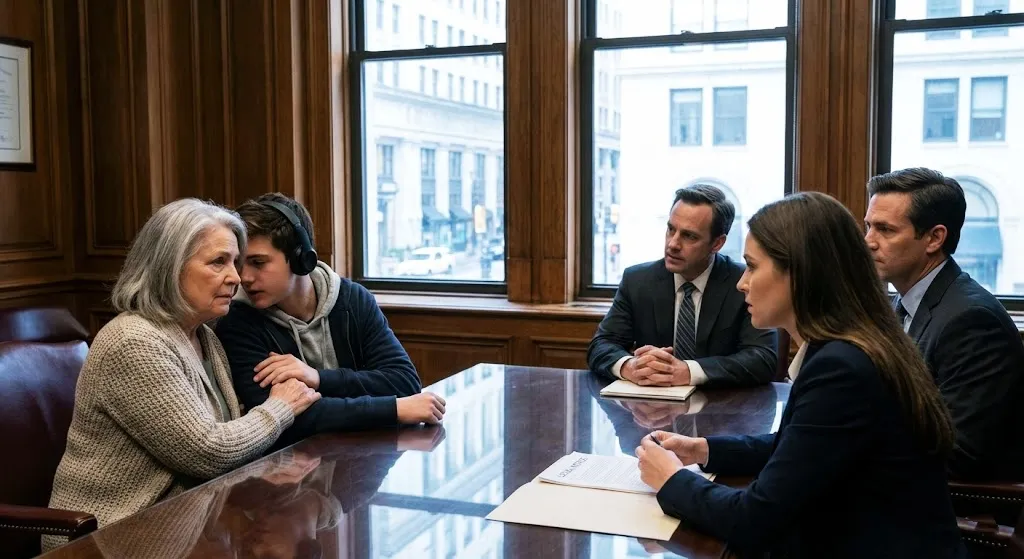
Elena produces the museum acquisition contract that Morrison had prepared before his death, a legal framework for selling archaeological discoveries to appropriate institutions while preserving their historical significance and ensuring proper scholarly study. The document demonstrates the historian’s understanding of legal requirements for artifact recovery and disposition. Morrison planned to donate significant portions of any treasure discovery to Arizona Historical Museums.
Elena explains to the assembled law enforcement officers and archaeological specialists he understood the importance of preserving historical context rather than simply recovering valuable metals. The contract provides a template for resolving the ownership questions surrounding their discoveries. Elena and Marcus could receive substantial financial compensation for their findings while ensuring that the Spanish colonial artifacts receive proper archaeological study and museum preservation.
Dr. Whitfield recommends immediate protection for the treasure site while legal proceedings determine final ownership and recovery procedures. The underground chamber contains historical evidence that could reshape understanding of Spanish colonial activities in Arizona, requiring professional archaeological excavation rather than treasure hunting extraction. As evening approaches and the immediate danger passes, Elena realizes that their $400 storage auction gamble has produced consequences extending far beyond financial transformation.
They’ve uncovered legitimate archaeological discoveries that contribute to historical knowledge while surviving criminal threats that claimed previous treasure hunters who lacked their combination of legal preparation and technological protection. Eighteen months after their $400 storage auction gamble, Elena Rodriguez stands in the lobby of the Arizona History Museum examining a display case that contains Spanish colonial artifacts she and Marcus discovered in the Superstition Mountains. The silver ingots, religious medallion, and Father Garces’ prayer book occupy places of honor in an exhibition titled Lost Treasures of Spanish Colonial Arizona, the Morrison Collection, the museum acquisition.
Contract that Harold Morrison prepared before his death provided the legal framework that transformed Elena and Marcus from desperate minimum wage workers into respected figures in Arizona’s archaeological community. Their financial settlement with the Arizona Historical Society exceeded two million dollars. While ensuring that the Spanish colonial artifacts receive proper scholarly study and public exhibition, Marcus operates their new business, Rodriguez Historical Research Services, from a comfortable office in downtown Phoenix, where they assist other amateur historians and treasure hunters in navigating the legal and archaeological complexities of artifact discovery.
Their company specializes in connecting treasure hunting enthusiasm with legitimate historical investigation, preventing the kind of criminal conflicts they experienced with Castellanos’ team. Elena has returned to school pursuing a master’s degree in southwestern archaeology while working part-time at the museum as a specialist in Spanish colonial history. Her thesis research focuses on the expedition that buried the treasure she and Marcus discovered, using Morrison’s documentation and their own findings to reconstruct events that occurred nearly three centuries ago.
Their mother, Carmen, lives in a comfortable house in North Phoenix, her medical conditions properly managed through insurance that Elena and Marcus now provide. The family’s financial security represents more than personal transformation. It demonstrates how unexpected opportunities can reshape, lives when approached with careful preparation and moral consideration.
The business license hanging on Marcus’s office wall represents their official recognition as legitimate historical researchers rather than amateur treasure hunters. The document authorizes them to conduct archaeological investigations under appropriate supervision, bridging the gap between treasure hunting enthusiasm and scholarly methodology that Harold Morrison had pioneered. Victor Castellanos and his associates were eventually arrested in New Mexico, charged with federal crimes related to archaeological theft and assault on public lands.
Their prosecution relied heavily on evidence that Elena and Marcus provided, including satellite phone recordings and artifacts that demonstrated the scope of illegal treasure hunting operations throughout the Southwest. Elena’s research has revealed that the Spanish colonial expedition she and Marcus discovered represents only one incident in a larger pattern of emergency treasure burials throughout Arizona during the 1750s. Her academic work focuses on locating and properly excavating additional sites using methods that preserve historical context while recovering artifacts…