For the first time in weeks, I went to bed feeling a fragile sense of hope. The following days were strangely peaceful. My security cameras showed me that Max and Lena drove by my house several times a day, sometimes slowing down, sometimes parking for a few minutes across the street. They were watching me, studying my routine. Mr. Weber had told me to document every single one of these visits, and I did, keeping a detailed log.
“Their persistence will only help our case,” he had assured me. “Every time they show up after being told not to, it strengthens our argument for a permanent restraining order.”
On a Friday morning, as I was enjoying a quiet breakfast, my doorbell rang. The camera feed showed a smartly dressed young woman with a professional smile and a leather folder. I didn’t recognize her, but her posture screamed “official business.”
“Good morning,” she said as I opened the door. “Are you Mrs. Renate Richter? I’m Ms. Schmidt, a social investigator from the Office of Senior Services. We’ve received a report suggesting you may be in an at-risk situation, and I’m here to conduct a wellness check.”
My blood ran cold. They had escalated from private lawyers to government agencies.
“May I see your identification, please?” I asked, working hard to keep my voice steady.
“Of course.” She showed me an official-looking ID badge. “May I come in and speak with you for a few moments?”
I let her in, knowing that refusal would look worse. She sat in my living room and pulled a form from her folder. “Mrs. Richter, we’ve received reports of significant changes in your financial behavior, that you’ve cut off communication with your family, and that you’ve shown signs of paranoia, such as installing unnecessary security systems. We’ve also been told you’ve refused medical and legal help from your loved ones.”
Every word was carefully chosen to paint a picture of a mentally declining, vulnerable old woman. I could hear Lena’s phrasing in every sentence.
“Ms. Schmidt,” I said, summoning all my dignity, “before I answer any questions, I would like to call my lawyer.”
“Mrs. Richter, this isn’t a legal interrogation,” she said, her smile tightening. “It’s a wellness check. If you have nothing to hide, it really shouldn’t be a problem to speak with me.”
The phrase “if you have nothing to hide” ignited a fire of anger in me. It was the same logic used by bullies and abusers. “Ms. Schmidt, I am calling my lawyer. You are welcome to wait, or you can come back another day. But I will not be answering any questions without legal representation present.”
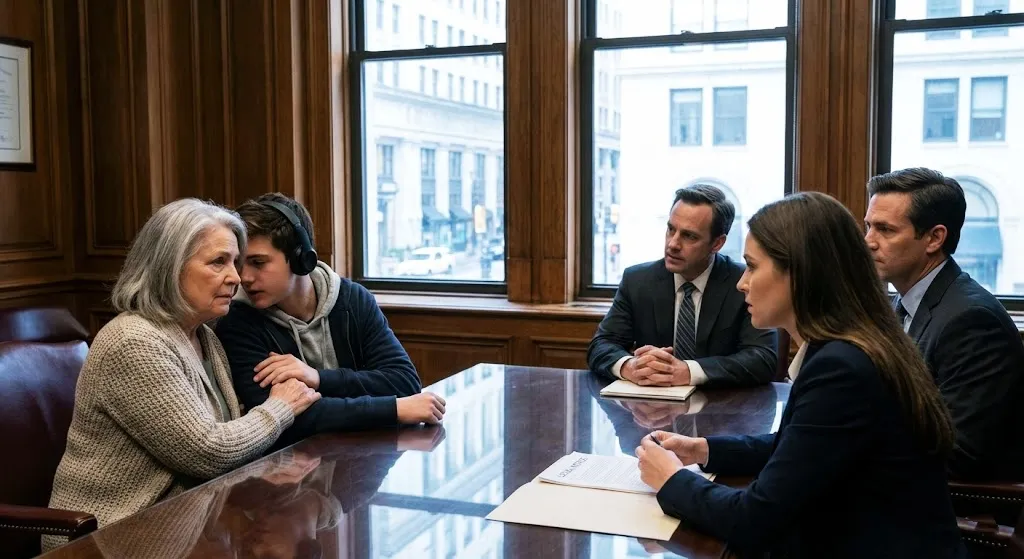
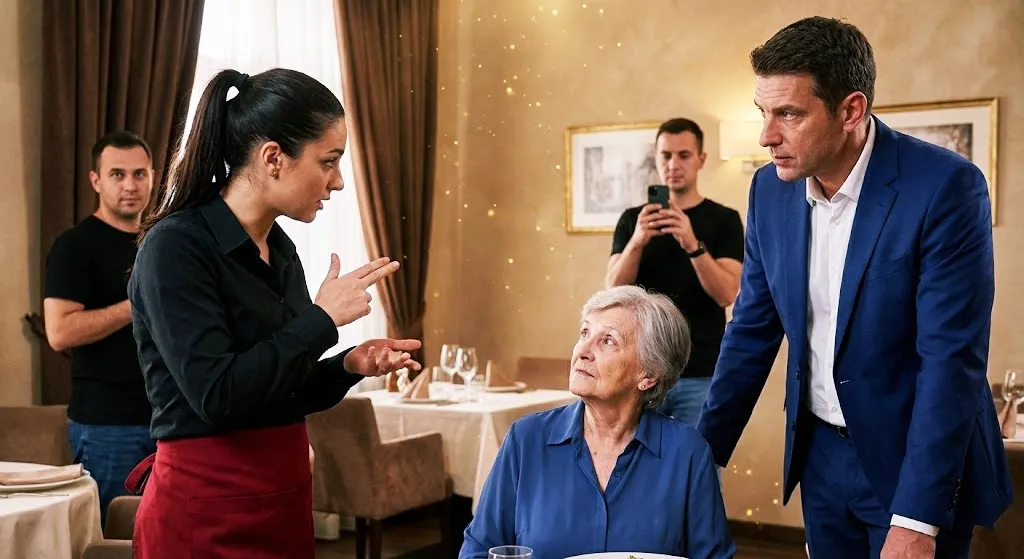
I called Mr. Weber, and he was at my door in under twenty minutes. His expression was stern when he saw the social worker. “Ms. Schmidt,” he said after examining her credentials, “I hope you have a court order to be here, as my client is under my representation, and any unauthorized investigation constitutes harassment.”
“Sir,” she replied, her confidence visibly shaken, “we have reports from concerned family members about the lady’s welfare. It is our duty to investigate.”
“What family?” Mr. Weber asked sharply. “The same family that tried to coerce her into signing a power of attorney? The same family that trespassed in her home and went through her private documents? The same family that excluded her from major life events while living entirely off her money?” He placed his own folder on the table. “I have here complete documentation of the financial and emotional abuse my client has endured. Over $33,000 taken from her accounts over three years. Systematic social exclusion and emotional blackmail. The person who needs investigating is not my client.”
Ms. Schmidt reviewed the documents, her discomfort growing. The story she had been given was clearly falling apart. “Mrs. Richter,” she said, turning back to me, “can you explain why you so abruptly ceased financial support for your son?”
“Because I finally realized they were using me,” I said simply. “Because I understood that to them, I wasn’t a mother, but a bank account. Because I was tired of financing the lives of people who saw me as an obstacle.”..